
The Legacy of Adira Foundation.
A national foundation that invested in better lives for people living with neurodegenerative diseases from 2019 to 2022.
Note well: there are 14 separate pages on this website. To get the best value from this website, please tour each page housed separately under “About Adira”, “Our Work” and “Impact” in the menu bar above.
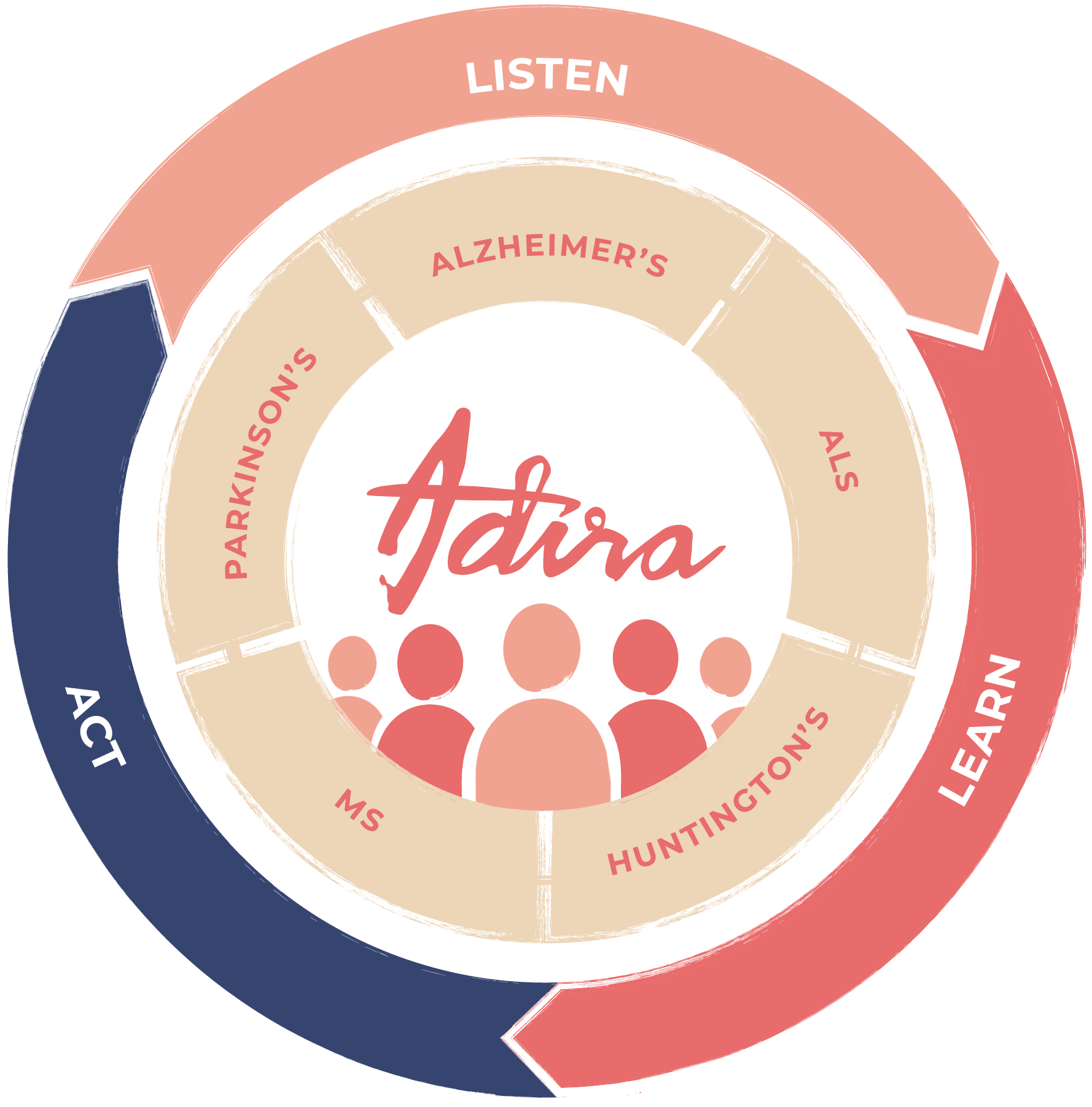
Our Origin Story
Greg Smiley, our founder, brought experience in both U.S. domestic health and global health systems. For nearly a decade within the UN system at UNAIDS, he drew inspiration from the monumental success of the Global Fund to Fight AIDS, TB, and Malaria, which secured enormous financial commitments and awarded grants to fight those diseases.
He secured over $4 million in seed financing, wrote a white paper on the concept, and commissioned George Washington University to make recommendations on the model.
Adira debuted inauspiciously in April 2020, just as COVID took over. Adira re-worked its initial round of grants, turning Round 1 into Emergency Fast Track Funding for 11 nonprofits.
Ultimately, Adira deployed three rounds of competitive grants, funded another five nonprofits directly with awards for highly inventive ideas, worked with another large donor to build "Adira in Miniature" across four rural states, and published research in Quality of Life metrics and similar issues.
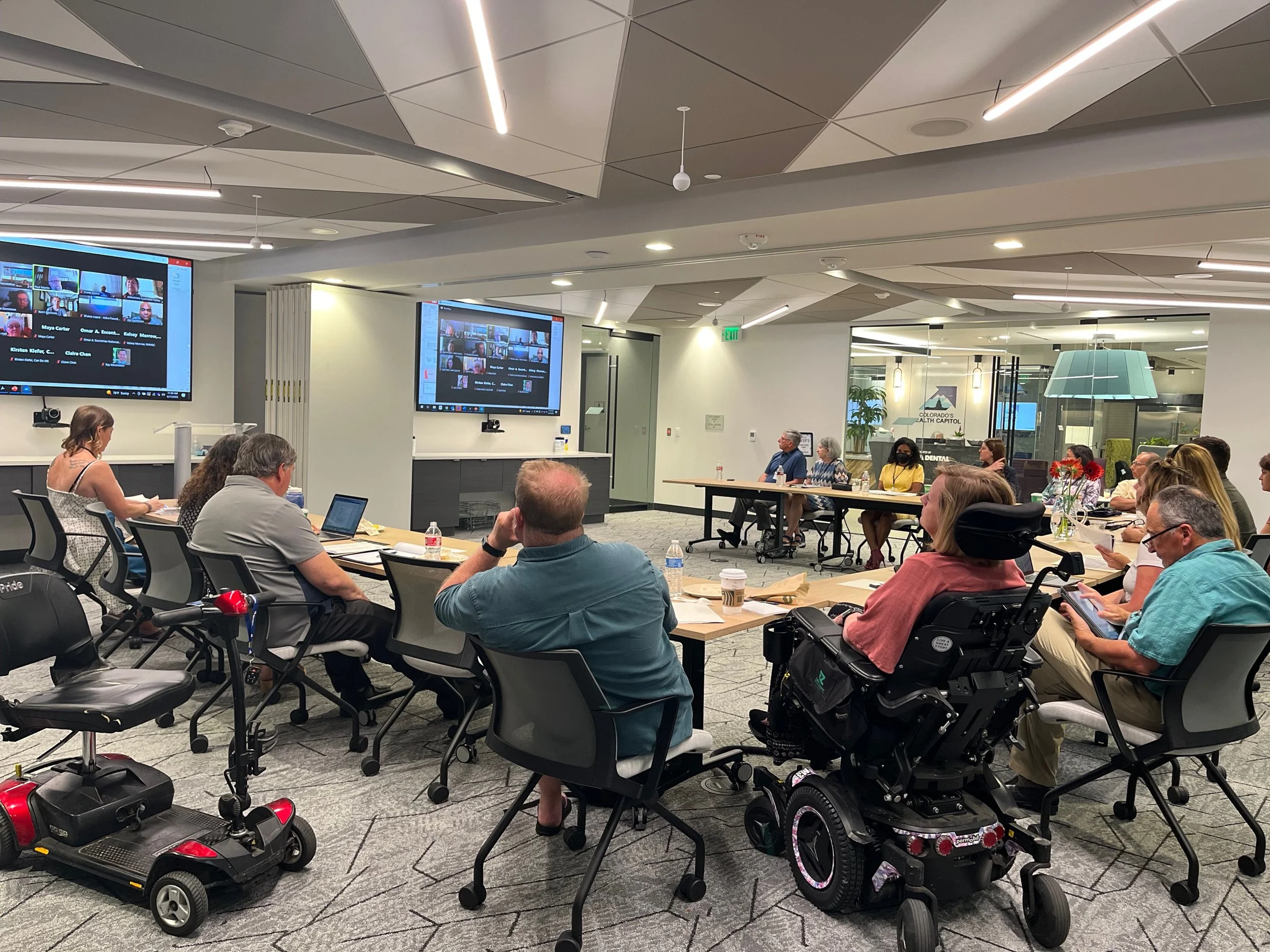
In 2022, it attempted its most ambitious endeavor yet: building a Neurodegenerative Disease Congress of nearly 100 participants to design Round 4, with at least 51% of participants being patients and caregivers with lived experience.
Adira became another casualty of COVID pandemic. We were hamstrung by not being able to take in-person meetings, raise awareness, and to secure the funding we needed to match our pacing. The foundation deployed its resources to 26 nonprofits with urgency, but couldn’t keep our own fundraising move apace. The board decided to table Round 4, summarize all learnings to date by publishing a Blueprint for Action, wind down financially in the black, and sunset the organization. In a bittersweet blessing, Greg Smiley was able to pivot full-time to primary caregiving for his mother, living with terminal illness for the last 15 months of her life.
But our legacy lives on.
What Made Us Unique
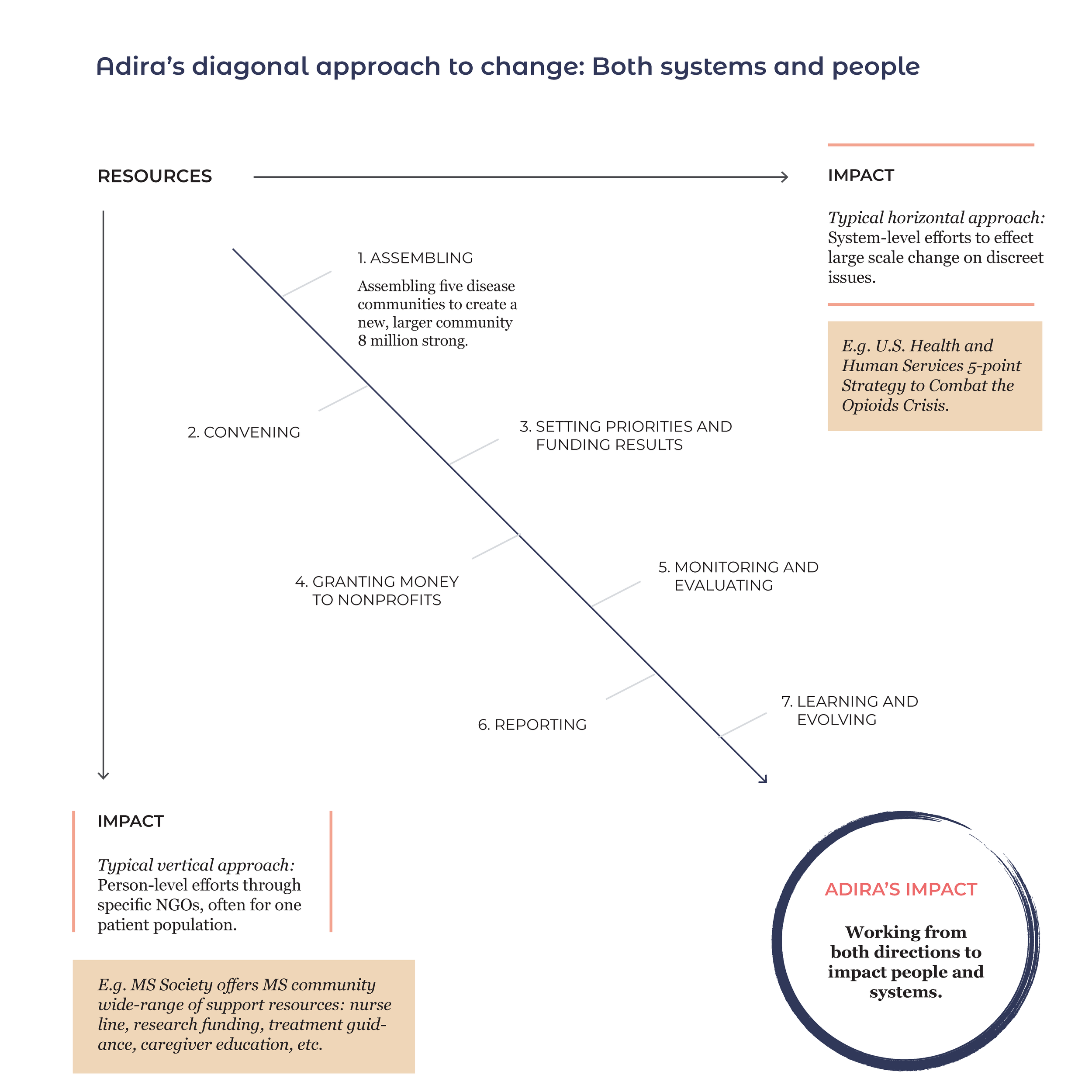
Adira's approach blended the best of global health programs with a model that centered the people most impacted.
-
We drew on the best parts of three major global health programs: the UN, PEPFAR (The U.S. President’s Emergency Plan for AIDS Relief), and the Global Fund to Fight AIDS, TB, and Malaria.
-
We designed grants with at least 51% of decision-makers being patients and caregivers with lived experience. The remaining participants brought professional and career expertise.
-
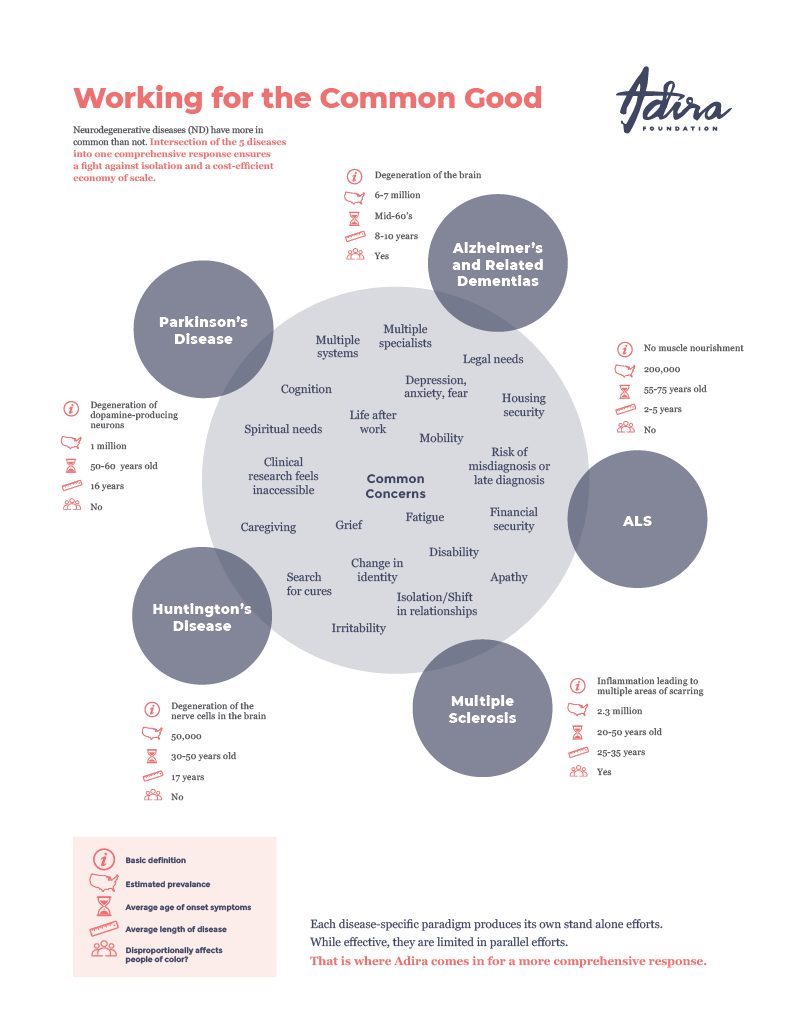
We took a diagonal approach, bridging five neurodegenerative disease communities (Alzheimer's, ALS, Huntington's, MS, and Parkinson's) rather than siloing them.
-
We spoke with grant applicants who didn't receive awards to share specific ways they could strengthen their next application.
-
We aimed to measure impact through reporting how families were able to preserve five precious resources:
TIME, MONEY, ENERGY, CONFIDENCE, and CONNECTIONS
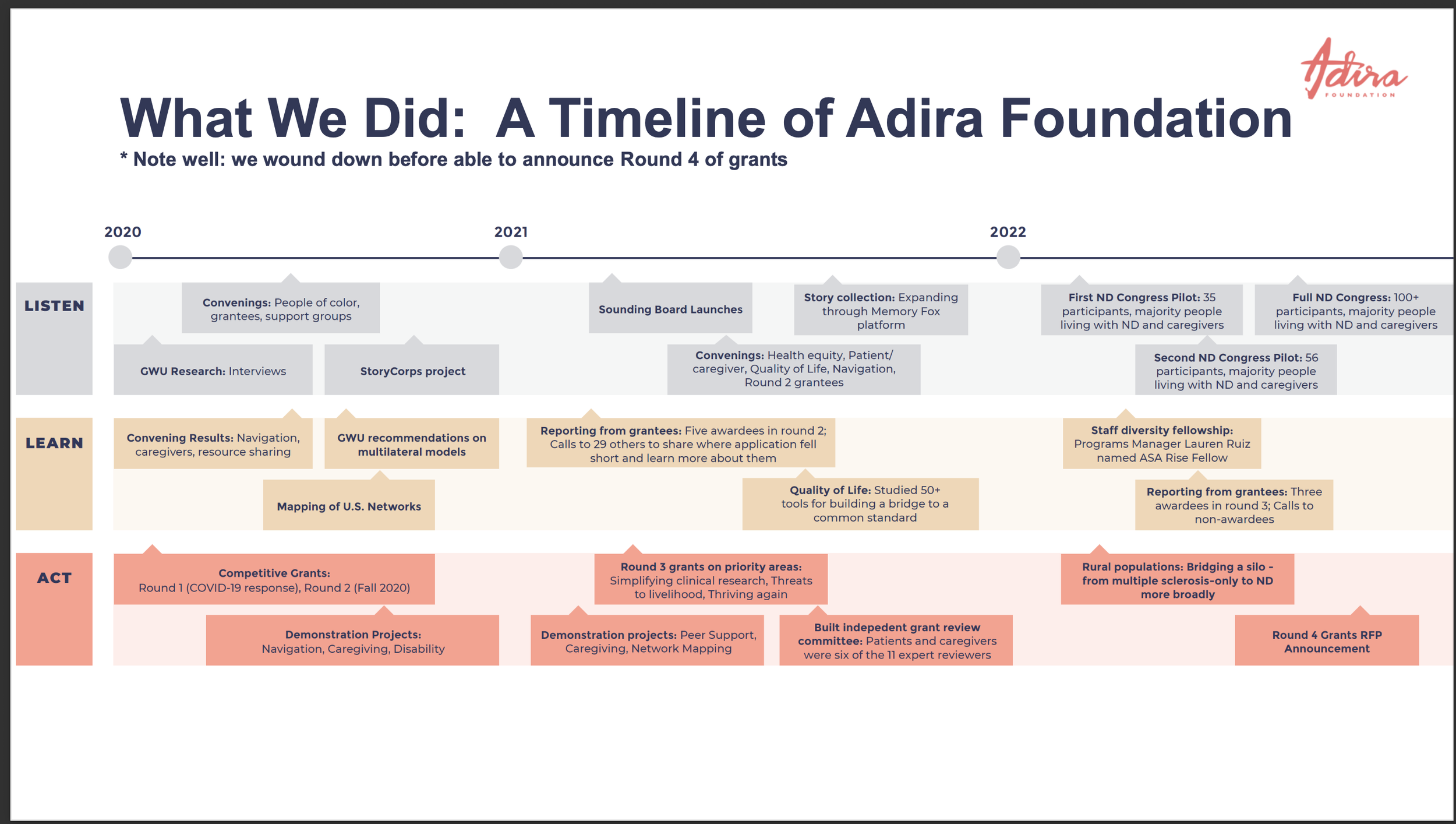
Adira's work unfolded across three years and three modes — listening to communities, learning from research, and acting through grants, before winding down ahead of its planned Round 4.
Why Neurodegenerative Diseases
The incidence, prevalence, costs, and burden of neurodegenerative diseases are growing rapidly. What's worse is that the people facing these scary, isolating, complex diagnoses are often the least equipped to handle them.
We focused principally, though not exclusively, on five disease communities: Alzheimer's disease and related dementias, ALS, Huntington's disease, multiple sclerosis, and Parkinson's disease. We believed these communities have far more in common than not, and we worked to galvanize support for co-created solutions to those common problems.
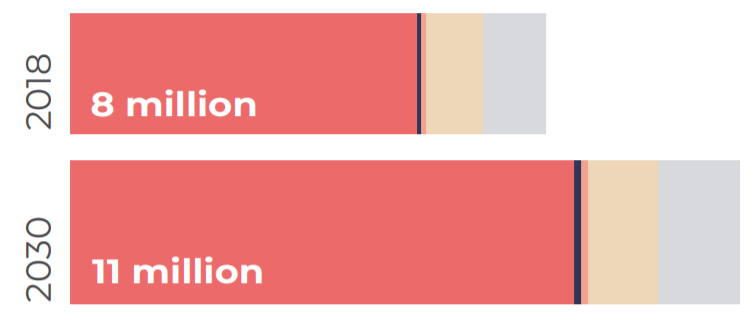
By 2030, the number of Americans living with these five diseases is expected to grow from 8 million to 11 million. That is a 38% increase.
Working for the Common Good
Touring the Archive
To explore Adira's work:
Read further on this homepage to understand what made us unique
Visit Our Work to see the grant projects, the ND Congress, and the rural initiative
Browse Impact for annual reports, the Blueprint for Action, and the Quality of Life Metrics report
Dig into the Archive for the full library of materials, reports, and learnings
To learn more, please contact Greg Smiley.